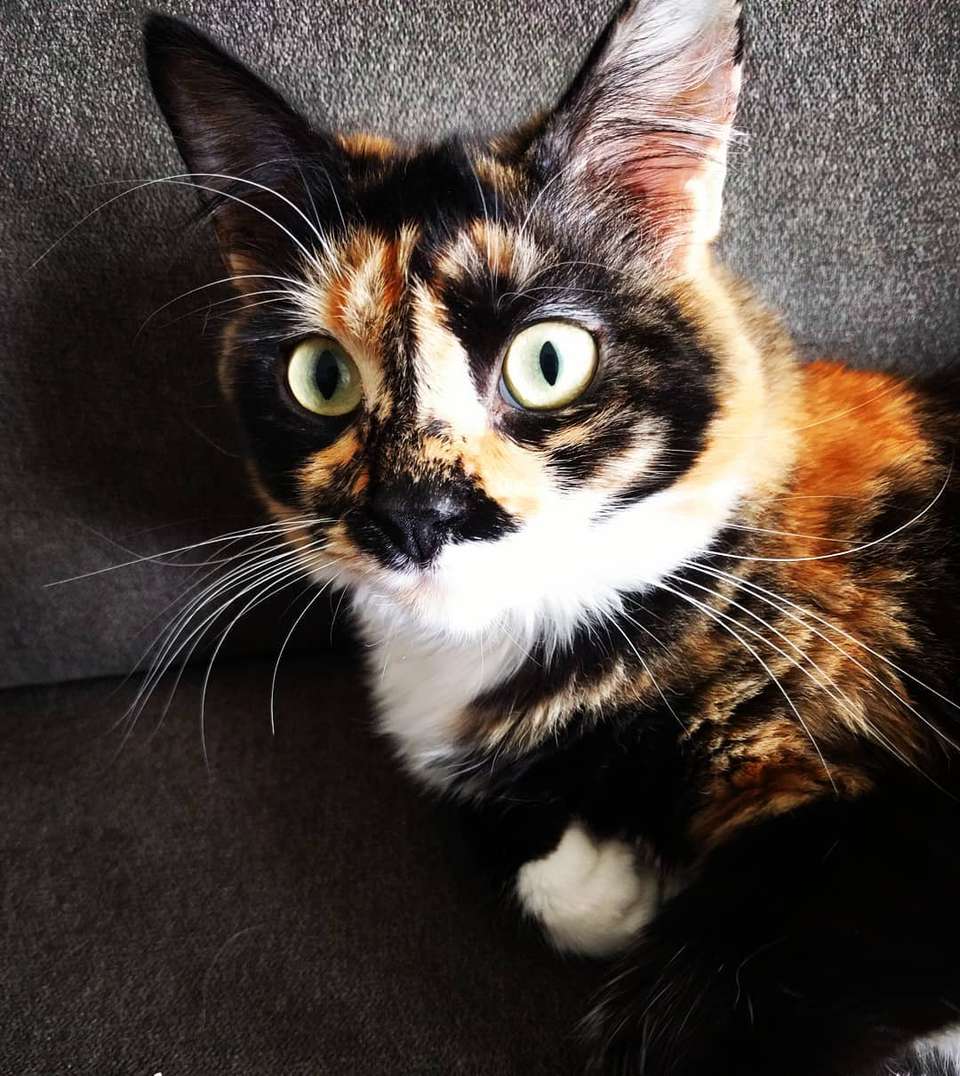
Tortoiseshell cats—often affectionately called “torties”—are some of the most striking and mysterious felines in the cat world. With their mottled coats of black, orange, and sometimes cream or gold, no two torties look alike. But it’s not just their appearance that makes them special. These cats are known for their bold personalities, rich folklore, and genetic quirks that make them truly one of a kind.
What Is a Tortoiseshell Cat?
A tortoiseshell cat isn’t a breed—it’s a color pattern. The name comes from the resemblance to the mottled shell of a tortoise. Their coats are typically a mix of black and orange, sometimes with patches of white (though if white is prominent, they’re often called “calico” instead).
Torties can be short-haired or long-haired, and they appear in many breeds, including the American Shorthair, British Shorthair, Persian, and Maine Coon.
The Genetics Behind the Coat
Here’s where it gets fascinating: almost all tortoiseshell cats are female. That’s because the genes that determine coat color are carried on the X chromosome. Females have two X chromosomes (XX), which allows for the combination of black and orange fur. Males, with only one X chromosome (XY), rarely display both colors—unless they have a rare genetic condition (XXY), which also renders them sterile.
In short: if you meet a male tortie, you’ve met a genetic anomaly.
Tortitude: Myth or Reality?
Ask any tortie owner, and they’ll tell you their cat has “tortitude”—a sassy, spirited, and sometimes feisty personality that seems to come with the coat. While there’s no scientific proof that coat color affects temperament, anecdotal evidence abounds. Torties are often described as:
- Fiercely independent
- Vocal and expressive
- Affectionate on their own terms
- Bold and fearless
Whether it’s nature or nurture, torties tend to leave a big impression.
Cultural Significance and Folklore
Tortoiseshell cats have long been considered lucky in many cultures:
- In Japan, they’re believed to ward off ghosts and evil spirits.
- In Celtic folklore, a male tortie is a sign of great fortune.
- Sailors once kept tortoiseshell cats on ships for protection and good luck.
Their rarity and beauty have made them symbols of mystery and magic across the globe.
Caring for a Tortoiseshell Cat
Torties don’t require special care beyond what any cat needs: a healthy diet, regular vet visits, playtime, and affection. But be prepared for a cat with a strong personality. They may demand attention one moment and disappear the next. That’s part of their charm.
Final Thoughts
Tortoiseshell cats are more than just a pretty face. They’re a living mosaic of color and character, wrapped in centuries of myth and mystery. Whether you believe in “tortitude” or not, one thing’s for sure: life with a tortie is never boring.
Have a tortie of your own? Share your stories—they’re always full of surprises.

Leave a comment